Flexible Seating
For this second grade teacher, a safe and fun learning environment ignites student engagement with the curriculum.
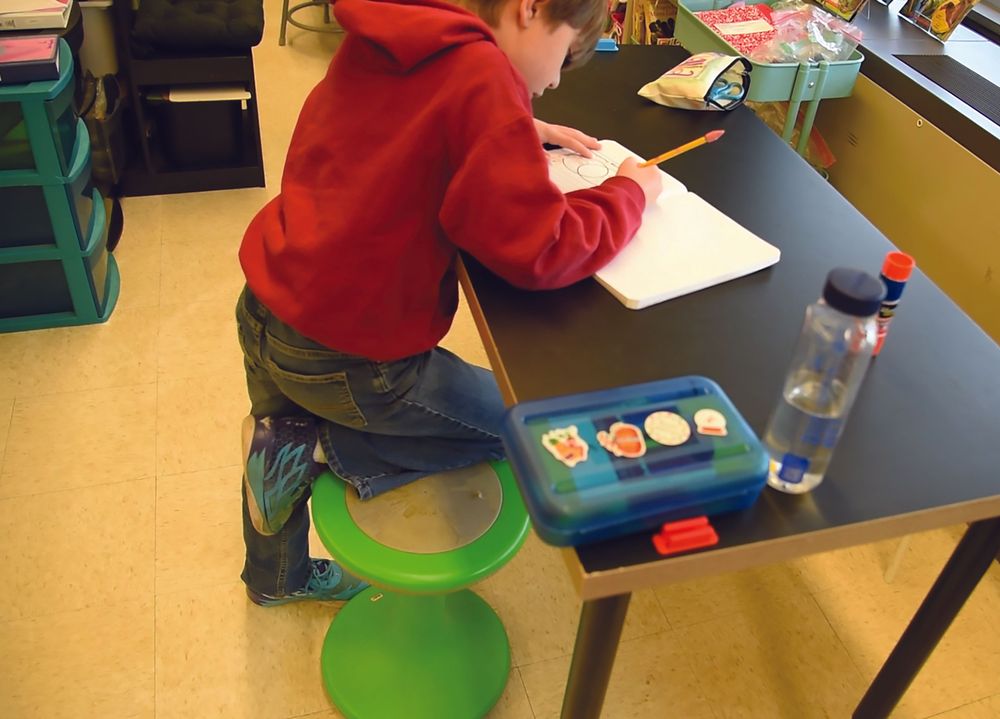
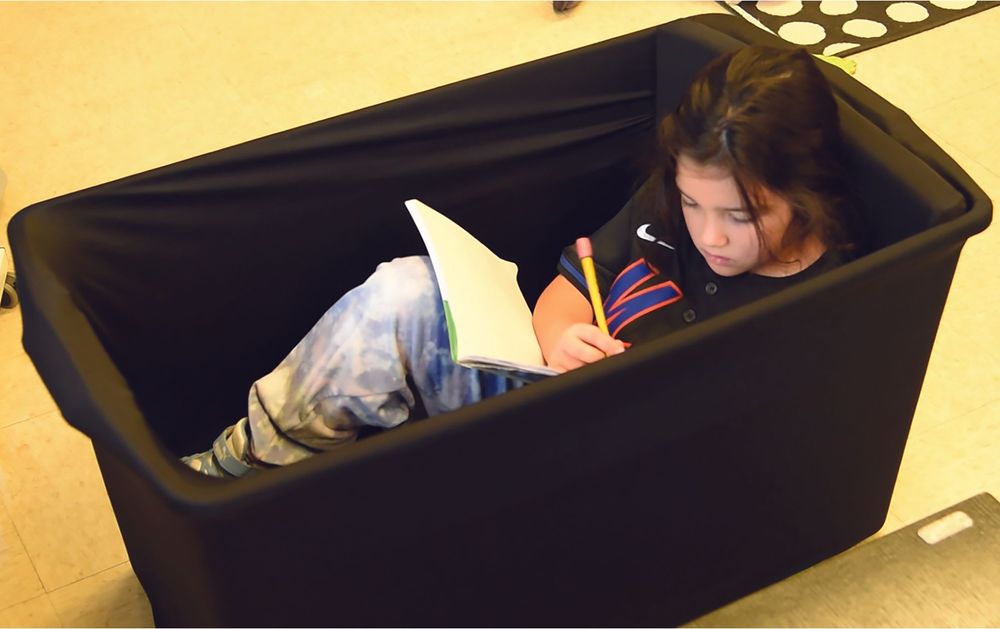
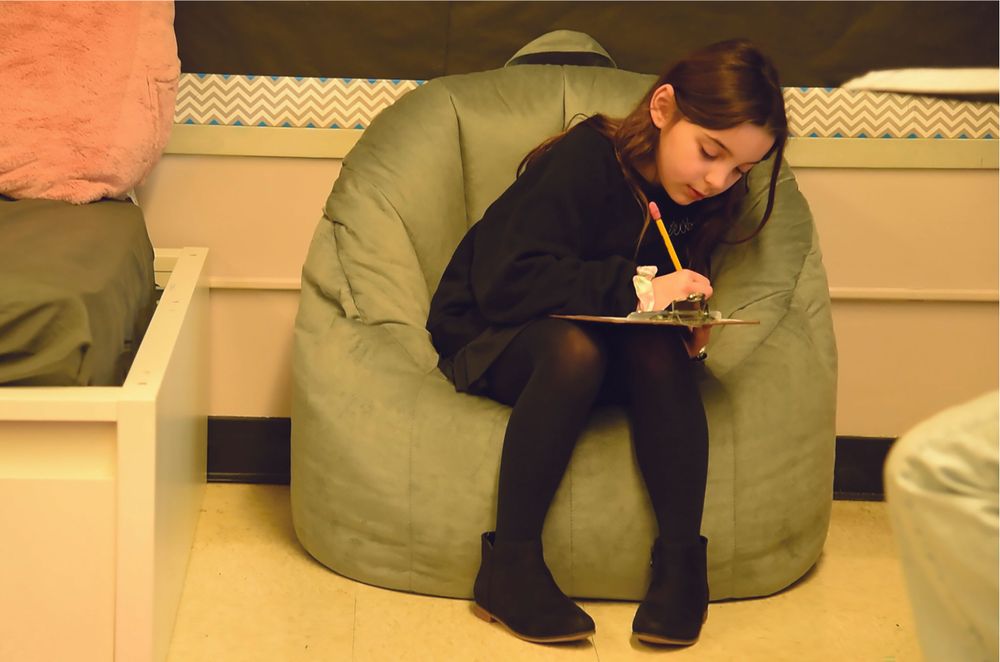
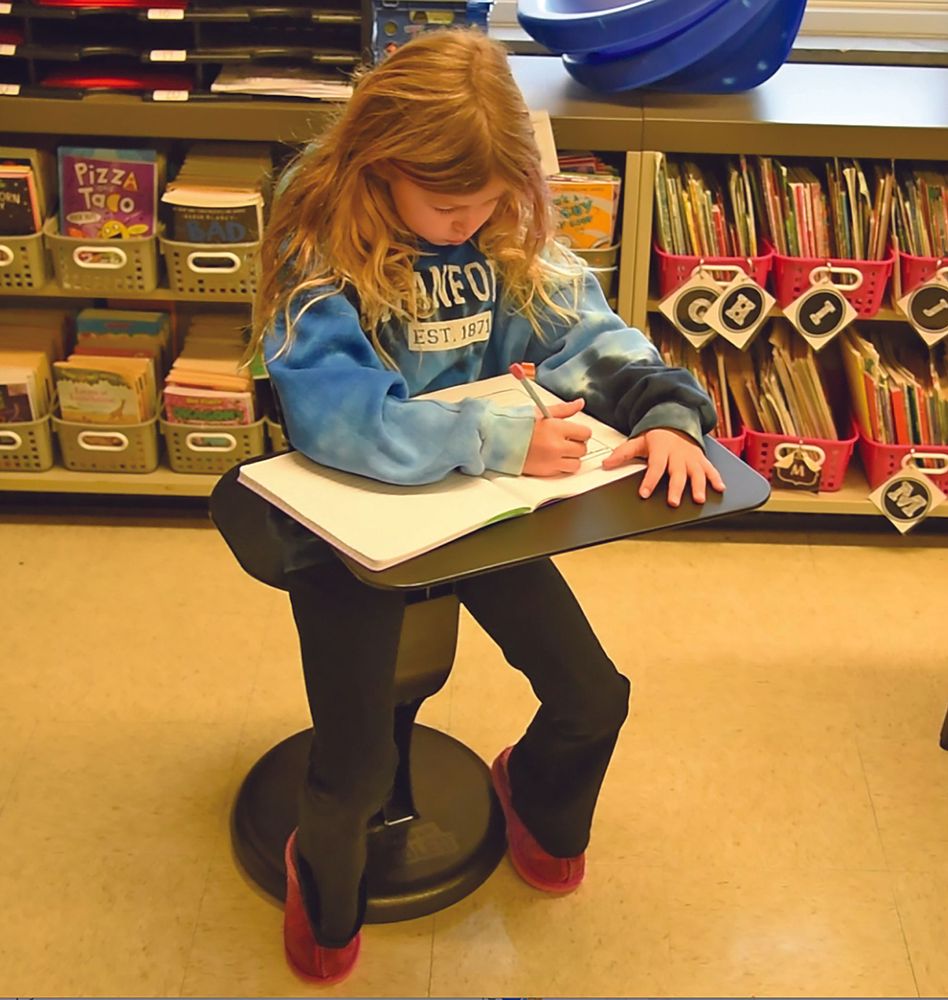
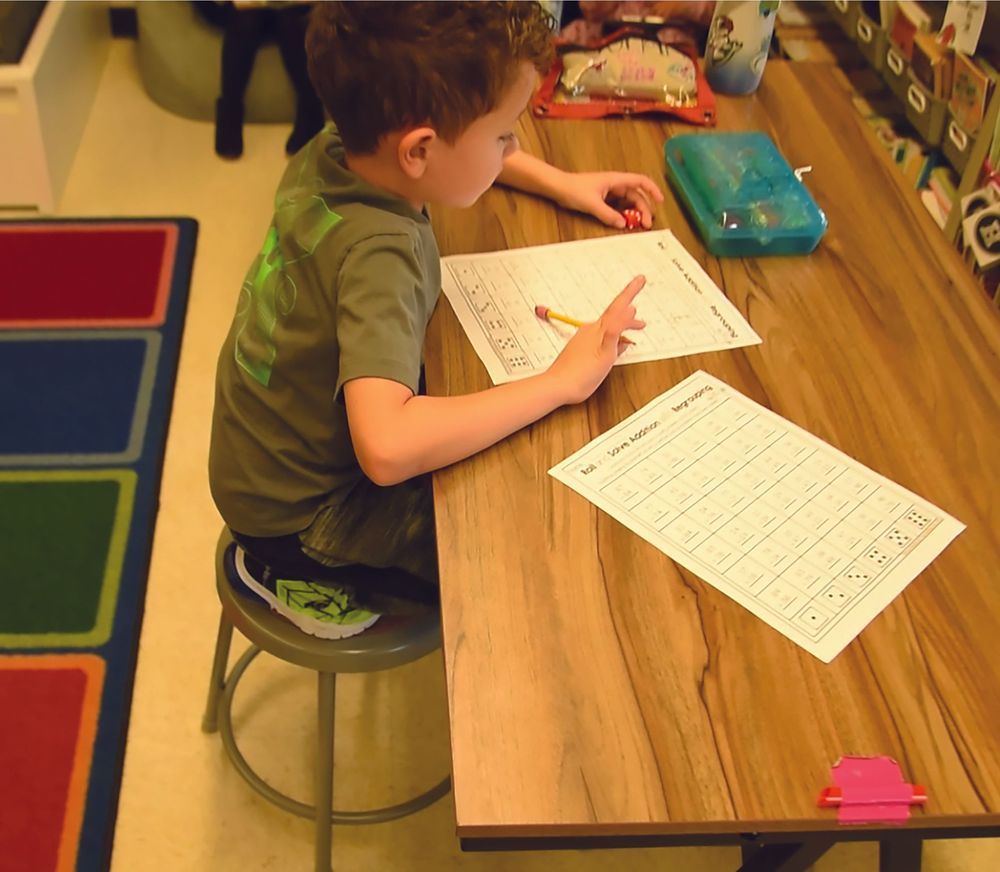
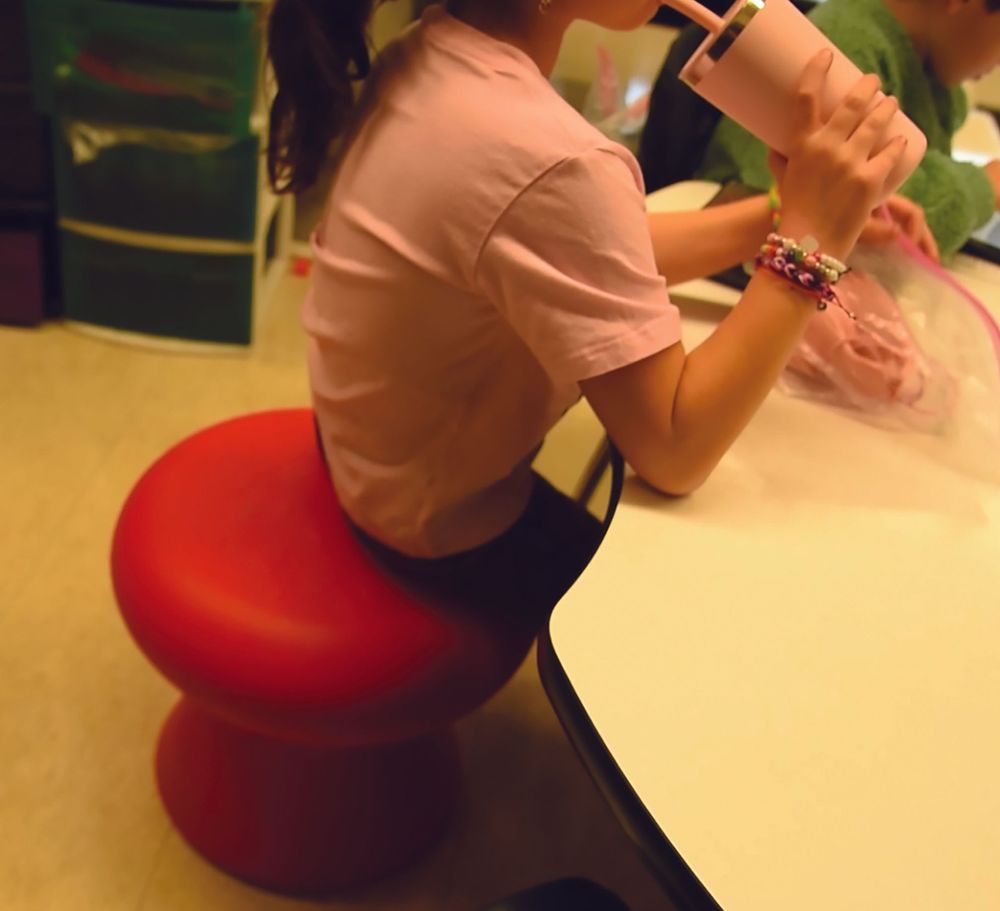
Second grade teacher Lauren Oricchio has always felt at home in the classroom. Growing up in Cranford, her most memorable teachers are ones that made learning accessible and fun, and made every child feel seen as a student. Now as a Cranford educator herself, Ms Orrichio knew she wanted to provide the same safe, fun learning environment for her own students. To create this environment, Ms. Orrichio prioritizes a classroom space that is comfortable and where her students look forward to coming to everyday, ready to learn. A grant from CFEE allowed Ms. Orrichio to foster this learning environment by purchasing a variety of flexible seating arrangements for her Bloomingdale Avenue classroom.
When students have a say in their seating arrangements, they are more likely to feel empowered and invested in their education.
In Ms. Orrichio’s classroom, a bean bag chair or a standing desk are so much more than just furniture– they are catalysts for improved learning. As Ms. Orrichio notes, “giving students the freedom to choose where they sit can increase their engagement with the learning process. When students have a say in their seating arrangements, they are more likely to feel empowered and invested in their education.” Second grade learning is rigorous: students are learning how to read, how to embrace challenging new learning expectations, and Ms Orrichio knows how important it is to make the learning process comfortable and meaningful for her students.
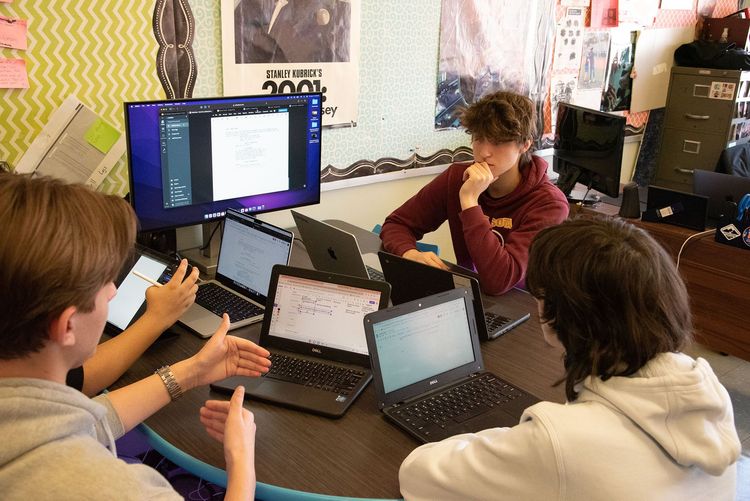
Flexible seating also engages student learning beyond the curriculum. Seating options encourage a willingness to try new things and develop problem solving skills as students explore and experiment with the seating that is best for them. As Orrichio says, flexible seating asks students to determine: “‘what’s best for me? Does this feel right for me?’ And those are real life skills. ‘Where can I go that I can do my best learning?’ ‘How can I be my best self today?’ ‘Is this the spot for me?’” Flexible seating also asks students to engage in collaborative learning spaces by asking them to make decisions about how to best use space to further their learning: will I do best in this project working independently? Or working in a group? What feels best to us and creates accessible learning? These decisions allow for a differentiated student experience and fosters teamwork, communication, and peer learning.